A Practical Guide to Plaid in Bedroom Design: Patterns, Materials, and Care
Explore how plaid patterns can elevate bedroom aesthetics through thoughtful pattern play, fabric choices, and care tips. This guide offers practical insights for selecting plaid-inspired textiles, mixing patterns, and maintaining texture and color over time.
Introduction: Plaid as a Living Texture
Plaid is not merely a print; it is a tactile language written across textiles. In a bedroom, plaid can translate warmth, tradition, and a sense of crafted comfort into a single surface or a layered ensemble. The patterns’ geometry—whether bold, windowpane, or small-scale checks—offers a framework for how light, color, and texture interact within a space. When used thoughtfully, plaid adds depth without overwhelming, acting as both a focal point and a quiet backdrop for other elements in the room.
This guide synthesizes practical design strategies with material sensitivities, drawing on the strengths of well-regarded textile brands such as Naturepedic and Sleep and Beyond as anchors for quality and care. By examining plaid scales, weave types, and layering techniques, readers can create bedroom designs that feel both timeless and refreshingly contemporary.
1) Understanding Plaid: Scale, Weave, and Visual Weight
The plaid family spans a spectrum—from bold, oversized checks to delicate, micro-plaits. In interior design terms, plaid scale affects perceived room size and rhythm:
- Large-scale plaids dominate a space and can become the room’s signature. Use them sparingly, such as on a duvet cover or a single accent panel, to prevent visual overload in smaller rooms.
- Medium plaids offer versatility, functioning well across bedding, throw blankets, and drapery. They carry a balanced presence that harmonizes with solid neutrals.
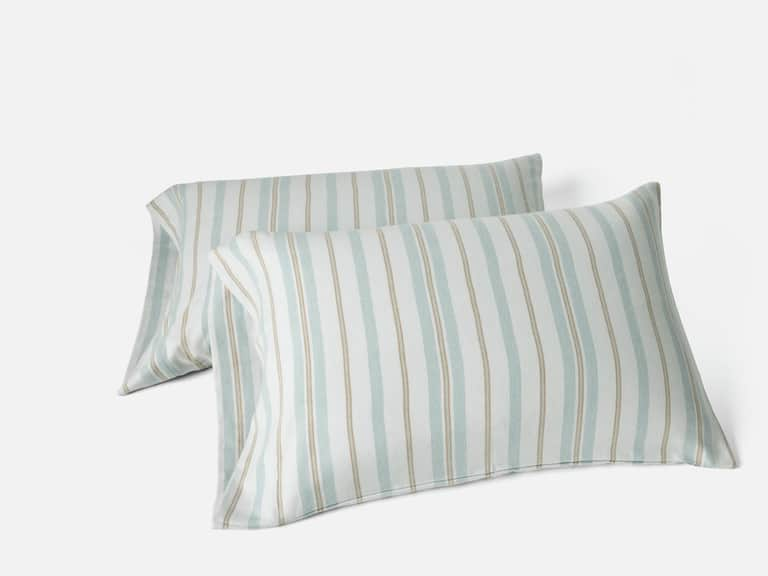
- Small-scale plaids read as texture rather than pattern, ideal for layering with solid sheets and understated textiles to create depth without competing with other design elements.
Weave type also informs the tactile quality of plaid. A percale plaid delivers a crisp, cool surface with a flat, subtle sheen, ideal for warm climates or minimalist palettes. A sateen plaid offers a smoother hand and a slight luster that can enhance cozy aesthetics in cooler months. Woven textures such as flannel or brushed cotton provide warmth and softness, contributing to a tactile narrative of comfort in a sleeping space.
Color interaction matters as well. Plaid can anchor a palette built from natural neutrals, then permit pops of color through pillows, throws, or a bed skirt. In multi-textile ensembles, aim for a unifying thread—perhaps a shared hue or a recurring tonal value—to knit disparate plaid patterns into a cohesive whole.
2) Materials Matter: Choosing the Right Plaid Textiles
The fabric you select for plaid textiles directly influences comfort, durability, and care requirements. The bedding category at PlaidBed presents a spectrum from luxurious organic cottons to durable, easy-care blends. Two notable references for material quality and care in plaid applications are Naturepedic and Sleep and Beyond.
Naturepedic’s offerings emphasize organic materials and thoughtful textile construction. An example is organic cotton percale and organic linen options, which pair well with plaid patterns when you want a crisp, structured sheet set or a cool, breathable sleep surface. Percale weave yields a matte, breathable finish that sits comfortably against the skin, whereas linen introduces a naturally textured, temperature-regulating surface that deepens the room’s tactile complexity.
Sleep and Beyond provides a range of organic cotton and percale sheet sets that balance softness with durability. Their percale weaves deliver crispness that contrasts nicely with a plaid duvet cover or a plaid bedspread, enabling clear pattern delineation while maintaining a comfortable sleeping surface.
When layering plaid textiles, consider the weight and drape. For example, a brushed flannel plaid pillowcase or a plaid duvet cover made from organic cotton can add warmth and a plush feel to a cold-season bedroom, while a crisp plaid flat sheet can keep the bed visually fresh in summer months.
3) Layering Plaid with Solids and Neutrals
Layering is the art of balance. Plaid works best when paired with solids that let the pattern breathe. Start with a neutral foundation—ivory, beige, taupe, or soft gray—and introduce plaid accents in textiles that are visually lighter or darker than the base. This creates a harmonious oscillation between pattern and plain that feels intentional rather than busy.
A practical approach:
- Use a plaid duvet cover as the primary focal point, then support with solid pillow shams in a complementary hue.
- Add a plaid throw or plaid bed scarf in a coordinating scale to create a cascade of texture without overwhelming the bed’s silhouette.
- Employ plaid curtains or a plaid rug as an anchoring second texture, ensuring color relationships echo those found in the bedding.
Given the database of plaid textiles, consider a palette strategy: pick two or three colors from the plaid and extend them across other textiles—sheets, pillow shams, and a bed skirt. This shared color vocabulary will unify the space and prevent the pattern from appearing disjointed.
4) Care and Maintenance: Preserving Plaid’s Color and Texture
Plaid textiles, like all fabrics, respond to care routines. The longevity of a plaid pattern’s color and the integrity of its weave depends on proper washing, drying, and storage practices.
General guidelines:
- Wash plaid textiles according to manufacturer instructions, prioritizing cold or warm water settings that preserve colorfastness.
- Avoid high-heat tumble drying when possible; use lower heat to reduce fabric wear and prevent pilling, especially on brushed surfaces.
- Line dry or lay flat when feasible for delicate plaid weaves to maintain shape and reduce stress on seams.
- Separate colors to prevent dye transfer and protect more delicate components such as pillow shams and duvet covers.
When exploring plaid in bedding collections, selecting pieces with easy-care finishes can simplify routine maintenance. For instance, a 300-thread-count organic cotton percale duvet cover that’s pre-washed tends to resist shrinking and retain its crisp hand longer. And a brushed organic flannel pillowcase, with its velvety texture, benefits from a gentle cycle and low heat to maintain softness without pilling.
5) Color Theory: Plaid Palettes for the Modern Bedroom
Plaid ecosystems thrive on color interplay. Contemporary bedrooms often favor palette strategies that mix warm neutrals with single bold accents, allowing plaid to speak without shouting. For example:
- Warm neutrals (creams, sand, and taupe) paired with plaid in earthy greens and deep reds create a cozy, rustic-modern vibe.
- Cool neutrals (soft gray, slate, and ivory) with plaid hints of navy, charcoal, or muted blue can read more refined and contemporary.
- Monochrome plaid patterns—black, white, and gray—offer graphic energy while maintaining calm within a sleep space.
Remember: color saturation in plaid can alter the room’s perceived warmth. Rich hues in plaid textiles tend to pull the palette toward warmth, while cooler or desaturated plaids can introduce a sense of calm and clarity.
6) Practical Design Scenarios: Plaid in Real Rooms
Imagine a bed dressed in a plaid duvet cover with a medium-scale pattern in a palette of earthy reds and deep blues, layered over solid white or ivory sheets. Add a plaid throw in a complementary scale and color, then anchor the bed with a solid-toned bed skirt. For a softer touch, cap the palette with Cloud Brushed Organic Flannel Pillowcases in a coordinating hue, adding velvety warmth and tactile contrast.
In smaller bedrooms, restrained plaid use can prevent visual clutter. A plaid flat sheet or pillow shams in a narrow, repeat pattern can provide texture without dominating the room. Pair these with a bright solid headboard or a solid accent wall to keep the space feeling open.
For long-term durability and comfort, consider the textile families behind the plaid pieces. Naturepedic’s fabrics emphasize organic composition and responsible production, while Sleep and Beyond’s percale sheets emphasize crisp, breathable textures. These qualities inform not only aesthetics but also how a plaid-based bedroom performs in daily use.
7) A Note on Inspiration and Ethical Choices
Plaid, at its core, is a symbol of heritage and craft. When selecting plaid textiles for the bedroom, readers may seek pieces rooted in transparent supply chains and sustainable practices. Brands that emphasize GOTS certification, organic cotton, and ethical weaving processes align decor choices with environmental stewardship and personal well-being.
This guide references the broader ethos of fabric quality and care through established textile vendors and product lines such as Naturepedic’s organic bedding and Sleep and Beyond’s cotton percale collections. These references illustrate how a plaid-focused interior can be anchored in credible materials, ensuring that style and comfort endure over time.
8) Quick Start: A Minimal Plaid Bedroom Setup
If you’re starting from scratch, use this simple blueprint to begin your plaid journey:
- Choose a plaid duvet cover in a medium scale with warm neutrals or a cool, muted palette.
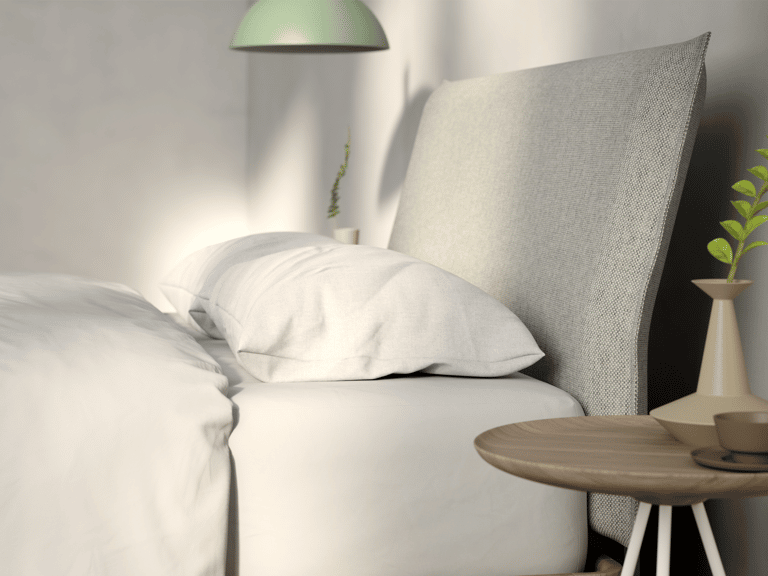
- Pair with solid-color sheets in a breathable weave, such as percale or linen, to provide a clean, restful base.
- Add a single plaid accent, such as a throw or decorative pillow, in a complementary scale and color family.
- Complete the look with a neutral bed skirt and a coordinating plaid or solid pillow sham to maintain balance.
For a longer-term, layered approach, introduce a second plaid piece with a distinct but harmonious scale. Ensure color connections across textiles to maintain coherence, and keep care needs in mind so that maintenance remains manageable.
Conclusion: Plaid as a Living Design Principle
Plaid in bedroom design transcends fashion trends. It offers a dynamic, tactile vocabulary for warmth, texture, and cadence within a space. By understanding plaid’s scales, weaving, and care requirements, designers and homeowners can craft a sleeping environment that feels intimate, enduring, and distinctly personal.
The practical guidance offered here—grounded in fabric science and real-world product examples—aims to empower readers to choose textiles with confidence. Whether you favor the crisp elegance of organic cotton percale, the cozy embrace of brushed flannel, or the artisanal warmth of linen plaids, plaid can become a signature element of a bedroom that remains welcoming through seasons and years.
Further Reading and Resources
For readers seeking concrete product cues that align with plaid aesthetics and quality, several textile families stand out for their commitment to material integrity and care:
- Cloud Brushed Organic Flannel Pillowcase — Cloud-brushed 100% organic cotton provides warmth and softness, with a practical care cycle for everyday use. Source: Cloud Brushed Organic Flannel Pillowcase details.
- Naturepedic Organic Cotton Percale Sheet Sets — A classic, crisp percale weave in GOTS-certified organic cotton, designed for cool comfort and long-lasting durability. Source: Naturepedic Organic Cotton Percale Sheet Sets.
- Sleep and Beyond Organic Cotton Percale Sheet Sets — 300-thread-count percale with durable construction and environmental stewardship. Source: Sleep and Beyond Organic Cotton Percale Sheet Set entries.
Engagement with these materials helps ensure that plaid interiors stay fresh, functional, and responsibly sourced.
Starter Product References
Note: The following products are highlighted for alignment with plaid-inspired interiors and practical care. Link to product pages reflects their respective sources.