Daybeds offer versatile seating that doubles as compact sleeping solutions, balancing comfort and space efficiency for smaller rooms or multifunctional spaces. This category emphasizes design variations, frame materials, and mattress compatibility to support both lounging and overnight use. Key features often include low profiles, integrated cushions, and supportive foundations suitable for daily relaxation and occasional sleep.
Understanding daybed construction helps in selecting appropriate bedding and pillows for optimal support. Look for durable wooden or metal frames, reinforced joints, and roll-out trundles where available. Compatibility with standard twin or daybed mattresses explains why sheet sets, latex toppers, and size-specific bedding are essential for fit and comfort.
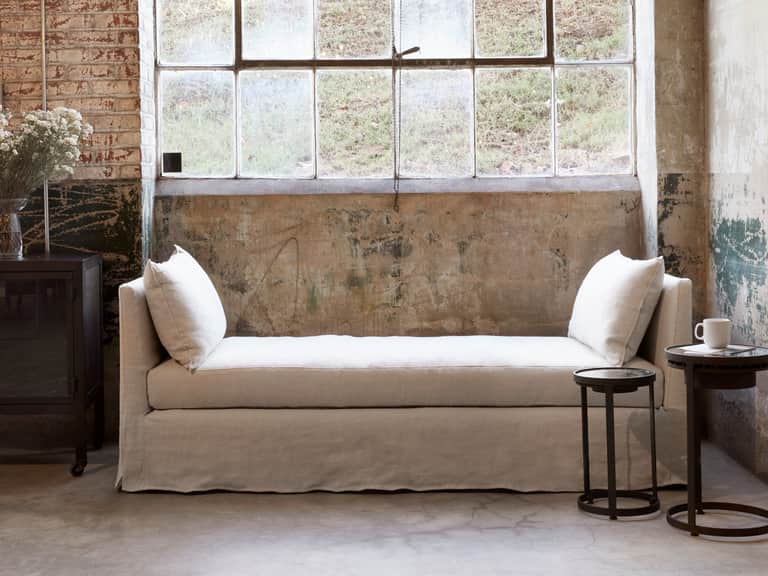
The Cisco Home April Daybed exemplifies how form and function converge in this category. Notable features include a streamlined silhouette, sturdy frame design, and a mattress-ready surface that accommodates both lounging and sleeping. Functional benefits extend to easy cleaning, flexible positioning, and adaptability to different interior styles.
Materials and finishes influence longevity and maintenance, with considerations for upholstery choices, stain resistance, and ease of care. When selecting bedding like pillows, sheets, and latex toppers, compatibility with a daybed’s dimensions ensures proper support and a neat, tidy appearance. This aligns with practical usage in guest rooms, studios, or living areas.
In educational terms, daybeds serve as hybrid furniture that supports daily activities and restful sleep. Understanding frame height, mattress depth, and edge cushioning helps users optimize ergonomics and comfort. Incorporating standard bedding pieces such as fitted sheets and duvet covers designed for daybeds enhances usability while maintaining a cohesive, functional space.
 Furniture